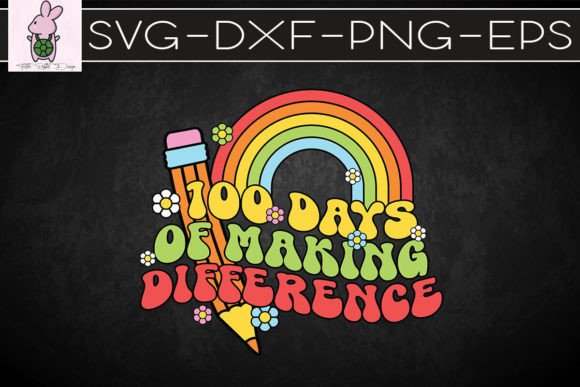
100 Days in the Books
A Design That Speaks to Time and Craft
As a designer who has stitched countless projects from custom apparel to handmade gifts, I approach each embroidery file with a critical eye. 100 Days in the Books is not just another design—it’s a visual narrative that invites curiosity and connection. The first thing that strikes me is its clean, thoughtful layout. It feels like a storybook page brought to life, with soft curves and gentle lines that suggest warmth and familiarity.
The Mood of the Design
This design carries a quiet, reflective mood. Its layout is uncluttered, allowing the viewer to focus on the details without feeling overwhelmed. The use of negative space gives it a modern, minimalist feel, while the subtle textures hint at the handcrafted nature of the work. It’s the kind of design that would fit seamlessly into a personalized gift, a custom apparel project, or even a holiday embroidery piece.
Real-World Use: A Custom Tote Bag Project
Let’s imagine a scenario: I’m preparing a custom embroidered tote bag for a client. The theme is “cozy living,” and the design needs to reflect warmth and comfort. 100 Days in the Books fits perfectly here. Its soft, rounded shapes and gentle typography create a sense of calm and approachability. When stitched onto a light-colored fabric, it becomes a charming addition to any home decor or everyday carry.
But how does it hold up under real-world conditions? Let’s break it down:
- Stitch Density: The design uses a mix of satin stitch and running stitch to create texture without overwhelming the fabric.
- Hoop Size: The SVG format is cup-sized, which makes it ideal for most standard hoops. However, I’d recommend testing it on scrap fabric before committing to a final product.
- Fabric Compatibility: It works well on light-colored fabrics, but may require additional stabilizer on darker or textured surfaces.
Design Performance Across Projects
100 Days in the Books is versatile enough to be used in a variety of embroidery projects. Here are some examples:
- Sweatshirt Embroidery: Adds a personal touch to casual wear, especially when paired with neutral colors.
- Baby Embroidery: The soft, child-friendly style makes it perfect for baby clothes or nursery decor.
- Embroidered Patch: A great option for adding a subtle, meaningful detail to a jacket or bag.
- Tea Towel Design: The clean layout ensures clarity even when viewed from a distance.
- Commercial Embroidery: Can be used for small shop products, Etsy listings, or boutique branding.
However, there are certain scenarios where caution is needed. For instance, using it on thin fabric or stretchy fabric could lead to distortion. Similarly, dense stitch areas might cause tension issues if not properly supported by a stabilizer. Always test the design on a scrap fabric first to ensure it performs as expected.
Visual Appeal and Customer Trust
One of the key factors in a successful handmade product is visual appeal. 100 Days in the Books excels in this area. Its clear background and high-resolution PNG files make it easy to preview and adjust before stitching. This level of clarity helps maintain brand consistency and enhances the overall professionalism of the finished product.
When customers see a well-executed embroidery, they’re more likely to trust the quality of the work. 100 Days in the Books contributes to this trust through its clean design and attention to detail. It’s the kind of design that can elevate a simple personalized gift into something truly special.
Practical Designer Notes
As an experienced designer, I always advise my clients to follow these best practices when working with 100 Days in the Books:
- Test on Scrap Fabric: Before committing to a final product, always test the design on a scrap piece of fabric to ensure it stitches cleanly.
- Check Thread Color Contrast: Ensure the thread color provides sufficient contrast against the fabric to maintain visibility.
- Review Stitch Density: Adjust stitch density as needed to prevent over-stitching or under-stitching, especially in detailed areas.
- Confirm Hoop Size: Make sure the design fits within your hoop size to avoid stretching or distortion.
- Inspect Small Details: Pay close attention to tiny lettering and decorative accents to ensure they remain legible after stitching.
- Use Proper Stabilizer: Especially on dark or textured fabrics, a good stabilizer will help keep the design in place during stitching.
- Test in Black and White: Preview the design in black and white to assess how it looks in different lighting conditions.
- Compare Light and Dark Fabrics: Test the design on both light and dark backgrounds to ensure it remains visually appealing in all contexts.
- Confirm Licensing: If you plan to sell finished items or digital products, make sure you have the proper licensing rights.
Final Thoughts on 100 Days in the Books
100 Days in the Books is a thoughtful, well-crafted design that offers versatility and practicality for a wide range of embroidery projects. Whether you're a hobbyist looking for a meaningful personalized gift, a small business owner creating craft business products, or a professional designing digital embroidery files, this design has the potential to enhance your work.
Its clean aesthetic, clear layout, and adaptability make it a strong choice for both personal and commercial use. With the right preparation and attention to detail, 100 Days in the Books can become a standout feature in your finished product—a testament to the care and creativity that goes into every handmade item.