100 Days of Making Difference
A Design That Speaks Volumes
As a designer who’s stitched through countless projects, I’ve seen my fair share of embroidery files. But 100 Days of Making Difference caught my eye immediately—not just for its aesthetic, but for the quiet confidence it carries. It’s not loud or overly detailed, but it has a thoughtful rhythm that feels intentional. The design is clean, with a subtle pattern that suggests movement and purpose. It’s the kind of file that makes me think of a tote bag, a baby item, or even a patch—something that can be worn, used, or given with meaning.
First Impressions: A Mood That Stays With You
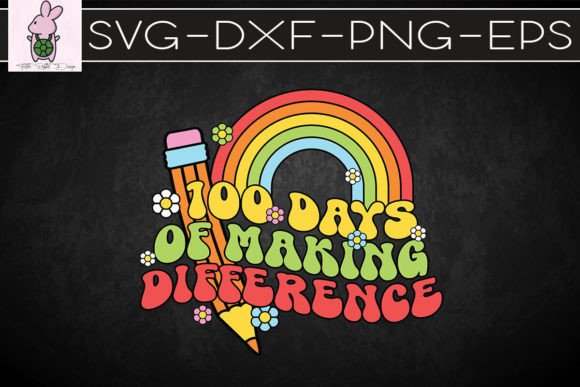
The first thing that struck me about 100 Days of Making Difference was its visual personality. It’s not flashy, but it’s far from plain. The layout is balanced, with elements that feel like they belong together. There’s a softness to the lines, a gentle contrast between the main motif and the surrounding details. It’s the kind of design that feels like it could be on a tea towel, a cap, or even a pillow cover. The theme is uplifting, suggesting positivity and small acts of kindness, which makes it versatile for both personal and commercial use.
Real-Life Use: From Tote Bags to Baby Clothes
When I imagine using 100 Days of Making Difference in real projects, the possibilities are endless. On a custom tote bag, it adds a touch of warmth and intention. On a baby item, it brings a sense of care and thoughtfulness. For a sweatshirt or t-shirt, it becomes a statement piece—something that speaks to the wearer’s values. I can see it working well on caps, hats, and even embroidered patches, where its simplicity shines without overwhelming the fabric.
But let’s not ignore the practical side. When testing a design for a client, I always consider how it will look after stitching. Will the threads hold up? Will the design remain clear on different fabric types? 100 Days of Making Difference seems to handle these challenges well, especially when paired with the right stabilizer and thread colors. Its structure allows for a good balance of fill stitch and running stitch, making it adaptable to various embroidery machines and techniques.
Where to Be Careful: Fabric and Detail Considerations
While 100 Days of Making Difference is versatile, there are a few scenarios where it might require extra attention. Small hoop sizes can sometimes cause distortion, so it’s important to confirm the recommended hoop size before starting. Textured fabrics may also affect how the design looks, especially in areas with dense stitch work. Dark fabrics can make some details harder to see, so testing the design on a scrap piece is always a good idea.
Additionally, the design’s intricate corners and decorative accents should be inspected closely. While they add character, they can also be tricky to stitch on curved surfaces like caps or aprons. If you’re planning to use it on stretchy fabric, ensure that the design is compatible with the stretch factor. And if you’re creating a product that will be washed frequently, like a kitchen towel or baby item, test the design’s durability and colorfastness.
Visual Appeal and Product Value
100 Days of Making Difference has a strong visual appeal that can elevate a handmade product. Its subtle patterns and thoughtful layout make it ideal for personalized gifts and boutique items. When customers see the design on a finished product, they’ll likely notice the care and detail that went into it. This can enhance the perceived value of your handmade product, especially for Etsy sellers and small shop owners looking to stand out in a competitive market.
From a brand consistency standpoint, the design’s clean and modern style fits well with a variety of branding themes. Whether you’re creating holiday gifts, wedding items, or everyday essentials, 100 Days of Making Difference offers a reliable base that can be adapted to different styles and audiences.
Design Notes for Embroidery Professionals
If you’re an embroidery designer or a craft business owner, here are a few notes to keep in mind when working with 100 Days of Making Difference:
- Test on scrap fabric: Always check the design on a sample before committing to a final product.
- Check thread color contrast: Ensure the chosen thread colors complement the fabric and highlight the design’s details.
- Review stitch density: Confirm that the design is suitable for the intended fabric type and hoop size.
- Confirm hoop size: Some designs may require larger hoops for optimal stitching results.
- Inspect small details: Pay close attention to tiny lettering and decorative elements to ensure clarity.
- Test in black and white mockups: This helps identify any potential issues with contrast and visibility.
- Compare light and dark fabric backgrounds: The design may look different depending on the surface it’s applied to.
- Use proper stabilizer: This ensures the design remains sharp and secure during stitching.
- Check licensing terms: If you plan to sell finished products, confirm the file’s usage rights.
- Consider both personal and commercial use: Make sure the design works for all your project needs.
Conclusion: A Reliable Choice for Meaningful Projects
100 Days of Making Difference is more than just an embroidery file—it’s a design that carries intention and purpose. Whether you’re creating a custom apparel piece, a personalized gift, or a boutique product, it offers a versatile and meaningful option. With careful preparation and attention to detail, this design can become a standout element in your creative repertoire. For those looking to blend practicality with artistry, 100 Days of Making Difference is a solid choice for both personal and commercial projects.