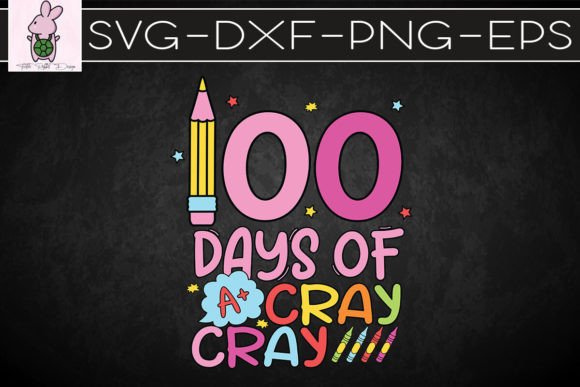
100 Days of Cray Cray
The First Impression: A Burst of Color and Chaos
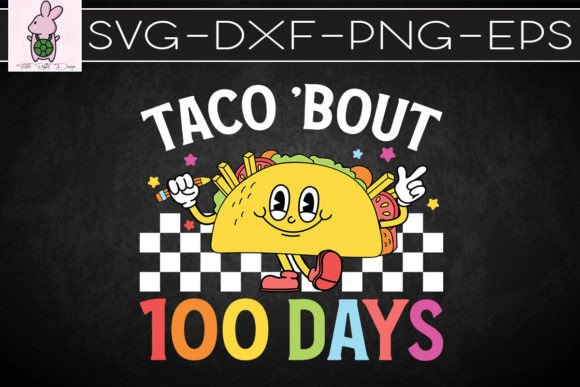
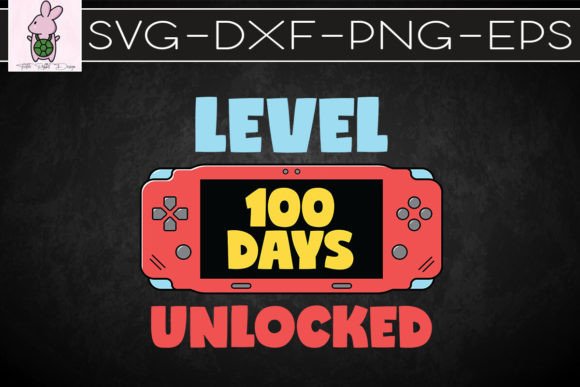
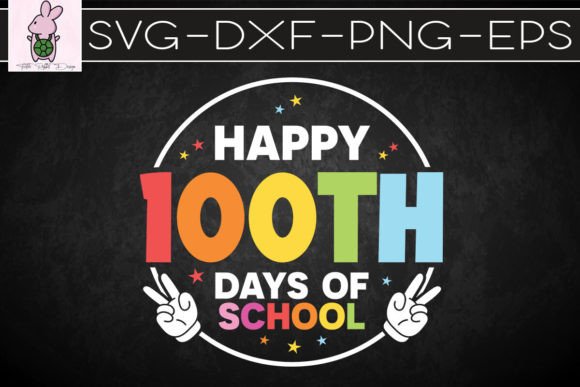
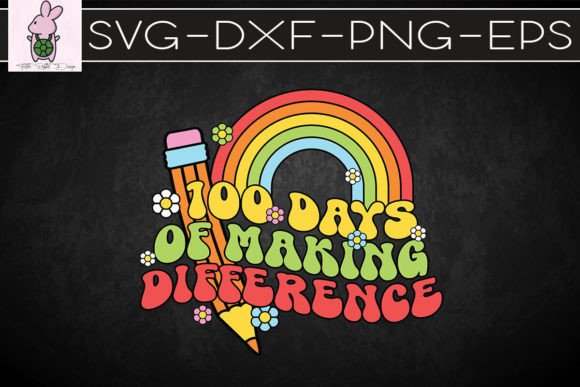
When I first opened the 100 Days of Cray Cray design kit, I was immediately struck by its playful energy. The design is a vibrant explosion of color, with a chaotic yet intentional layout that feels like a celebration of creativity. It’s not just a machine embroidery design—it’s a mood, a statement, and a visual language that screams “fun.” The bold shapes and whimsical elements suggest it’s meant for projects that want to stand out, whether on a tote bag, a sweatshirt, or a custom patch.
Where Does 100 Days of Cray Cray Belong?
This design is ideal for projects that need a pop of personality. I imagine it working well on a handmade tote bag or a personalized gift like a baby onesie. Its playful nature makes it perfect for holiday embroidery, especially around Halloween or Christmas, where a little bit of chaos can be festive. It also fits well into a small shop product line that aims to appeal to younger customers or those who love quirky, eye-catching designs.
As an embroidery designer, I think about how this design would translate in real life. Would it hold up on a curved surface like a cap? Could it work on a dark fabric without losing its vibrancy? These are practical questions that every designer must ask before committing to a design for a client or a product.
Real-Life Use Cases for 100 Days of Cray Cray
Let’s say I’m preparing a custom embroidered sweatshirt for a local boutique. I’d start by testing the 100 Days of Cray Cray design on scrap fabric. The SVG format makes it easy to adjust and preview, but I’d still check the PNG high-resolution files for clarity. The DXF format is great for multi-purpose use, especially if I plan to use it in different design software or for laser cutting.
I’d also consider how the design looks on various fabric types. On a light-colored cotton tee, the colors pop and the details are clear. But on a darker fabric, I’d need to ensure the thread colors contrast enough to maintain visibility. This is where the thread color contrast becomes critical. If the design is too subtle on dark fabric, it might lose its impact.
Another consideration is stitch density. Some areas of the design are dense with detail, which could cause issues on thin or stretchy fabrics. I’d recommend using a proper stabilizer to prevent puckering and ensure the design lies flat. For products that will undergo frequent washing, like tea towels or baby clothes, I’d double-check that the design is durable and won’t fray over time.
Design Notes for Embroidery Designers
As a professional designer, I always advise testing the design on scrap fabric first. This helps identify any potential issues before moving to the final product. I’d also review the stitch density and check if the design works well in black and white mockups to ensure it maintains its visual appeal regardless of color.
For a craft business or Etsy seller, the 100 Days of Cray Cray design offers a unique opportunity to create standout products. However, it’s important to confirm licensing terms before selling finished items or digital products. The design’s playful nature makes it perfect for branded merchandise, but it should also be adaptable for personal use, such as a custom embroidered patch or a handmade pillow cover.
Practical Tips for Using 100 Days of Cray Cray
- Test on Scrap Fabric: Always test the design on a piece of fabric similar to what you’ll be using for the final product.
- Check Thread Color Contrast: Ensure the design remains visible on both light and dark fabrics.
- Review Stitch Density: Dense areas may require careful stitching or additional stabilizers.
- Confirm Hoop Size: Make sure the design fits within your hoop size to avoid distortion.
- Inspect Small Details: Look for tiny lettering or intricate corners that might be difficult to stitch accurately.
- Use Proper Stabilizer: Especially for stretchy or textured fabrics, a good stabilizer is essential.
- Consider Fabric Texture: The design may look different on woven versus knit fabrics.
- Test in Black and White: This helps identify any hidden details or inconsistencies.
- Compare Light and Dark Backgrounds: Ensure the design maintains its visual appeal across different fabric types.
- Check Licensing Terms: Confirm whether the design can be used for commercial purposes.
Final Thoughts on 100 Days of Cray Cray
Overall, the 100 Days of Cray Cray design is a fun and versatile choice for designers looking to add a touch of whimsy to their projects. It’s well-suited for custom apparel, handmade products, and personalized gifts. While it may not be the most serious or minimalist design, its charm and energy make it a great fit for creative entrepreneurs and small shop owners who want to stand out in a crowded market.
As an experienced designer, I recommend using the 100 Days of Cray Cray design with care, especially when working with delicate or textured fabrics. With the right preparation and attention to detail, this design can become a valuable asset in your embroidery toolkit. Whether you're creating a custom sweatshirt, a holiday gift, or a boutique product, the key is to match the design to the project and ensure it delivers both visual appeal and customer satisfaction.